Choosing the right air conditioning system depends on more than just picking a popular model. You need to think about your home's size, insulation, and what keeps you comfortable. A good AC can save money and keep your home cool during the hottest months.
Many people buy an AC based on price or brand without thinking about their home's needs. This often leads to poor cooling, high energy bills, and early breakdowns. Taking time to assess your home and options will help you stay comfortable and save money in the long run.
Assessing Your Home's Cooling Needs
Before buying an air conditioner, figure out how much cooling your home needs. This is measured in BTUs, which show how much heat the system can remove each hour. A unit with too few BTUs won’t cool well and will run nonstop. A unit that’s too big will turn on and off too often, wasting energy and wearing out parts.
Start by measuring the square footage of the space you want to cool. For example, a 300-square-foot bedroom might need 6,000 BTUs, while a 1,000-square-foot living room might need 24,000 BTUs or more. Ceiling height matters too. Rooms with 10-foot ceilings need more cooling than those with 8-foot ceilings.
How well your home holds cold air also matters. Homes that keep cool air in need less cooling power. Drafty windows or poor insulation mean you’ll need a bigger unit. Rooms with south-facing windows can get hotter during the day and need more cooling.
An HVAC pro can do a Manual J load calculation. This method looks at all factors like size, insulation, local weather, shading, and how many people live there. It helps you pick the right size AC.
Don’t forget heat from kitchen appliances, lights, and electronics. More people in a room add body heat that the AC has to handle. Including these in your plan helps avoid units that can’t keep up.
Types of Air Conditioning Systems Explained
There are different types of air conditioners for various home setups. Knowing your options helps you pick the right one.
Central Air Conditioning Systems use ducts to cool the whole house. They work well if your home already has ducts or if you’re remodeling. Central AC gives steady cooling and often filters the air. Installation costs vary depending on home size and ductwork.
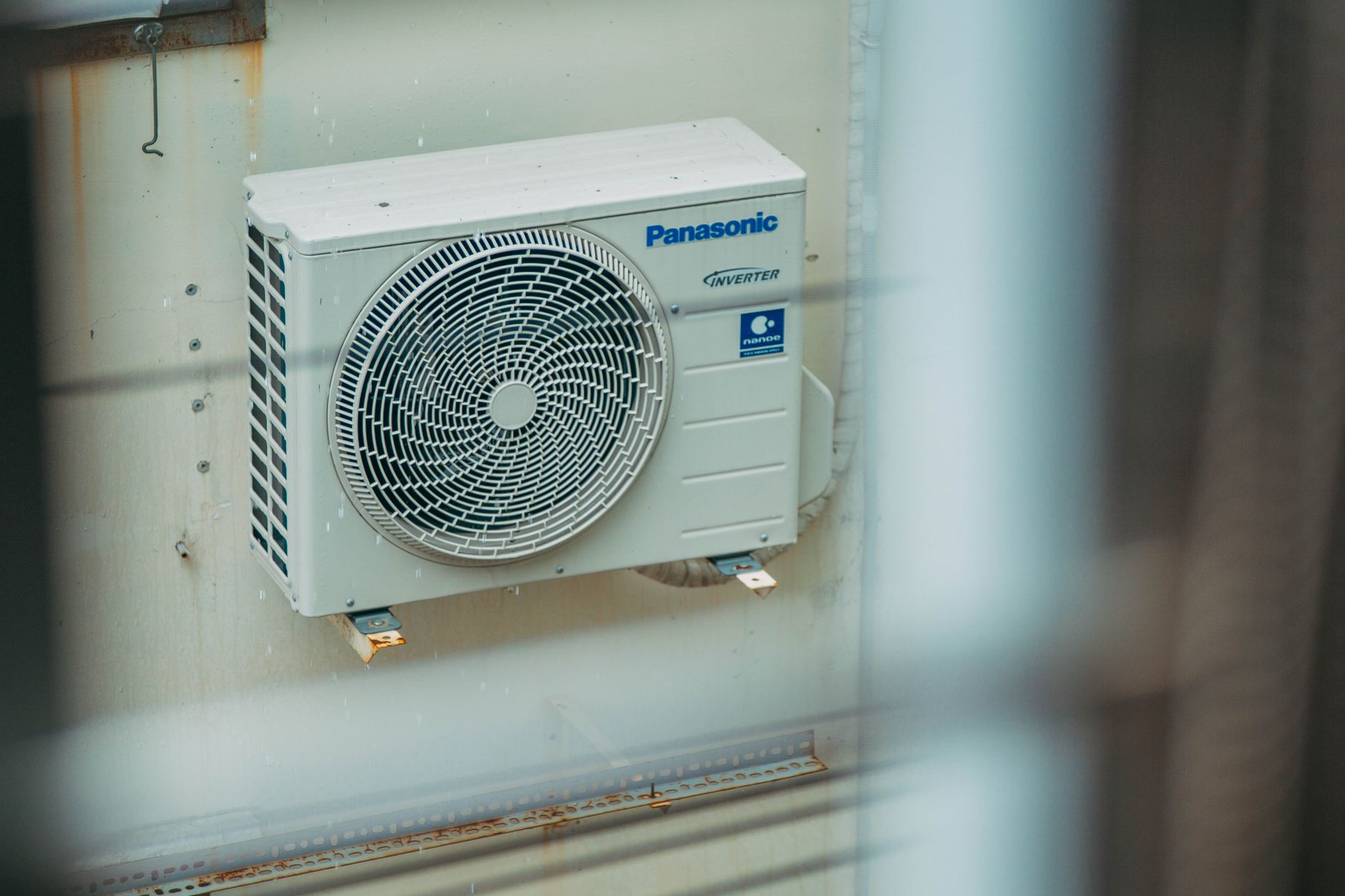
Ductless Mini-Split Systems are good for homes without ducts or for cooling specific rooms. They have an outdoor unit and indoor air handlers on walls or ceilings. These systems save energy and let you set different temperatures in each room. Installation costs depend on how many zones you need.
Window Units are cheap and easy to install. They cool single rooms or apartments but can be noisy and less efficient. They’re a practical choice for small spaces or short-term use.
Portable Air Conditioners can be moved from room to room. They usually cool less and are louder than window or mini-split units. They work well for renters or when you can’t install a permanent system.
Energy Efficiency and Cost Considerations
Energy efficiency matters when choosing an air conditioner. Look for units with a high SEER rating, which shows how well the AC uses energy through the cooling season. The minimum SEER allowed now is 14. Higher ratings, like 20 or more, cut energy use and lower bills.
High SEER units cost more upfront, usually $500 to $1,500 extra. But they save money over time on electricity. Some utility companies offer rebates for energy-efficient systems to help with costs.
Installation costs vary by system and home layout. Central air can cost $3,000 to $10,000, especially if you need new ducts or wiring. Ductless mini-splits usually cost less but add up if you want several zones. Window and portable units are cheaper to buy but cost more to run because they use more energy.
Don’t forget maintenance costs. You’ll need regular service, filter changes, and repairs to keep the system running well and avoid big problems. Scheduling yearly HVAC checkups is a good idea. You can read more about maintenance schedules in our article How Often Should You Schedule HVAC Maintenance?.
Finding a Reliable Installer
How your AC is installed matters as much as the unit itself. Even a good system won’t work well if installed wrong. That can cause poor cooling, higher bills, and frequent breakdowns. You need a licensed, experienced HVAC professional.
Ask friends or neighbors for recommendations and check online reviews to find installers near you. Make sure they have proper licenses, insurance, and any needed certifications. A good installer will do a load calculation, help pick the right size unit, and find the best place for it to run efficiently.
They also handle permits and inspections to meet local codes and safety rules. Don’t hesitate to ask for references and examples of past work.
Be careful about choosing the cheapest bid without checking credentials and work quality. Low-cost installs often cause duct leaks, wrong refrigerant levels, and poor airflow, leading to costly repairs. Always get a written estimate that clearly states the work, materials, warranties, and service terms.
Common Problems to Avoid
Many issues can hurt your AC’s performance if not caught during installation or regular care.
Ductwork Problems: When installing central AC, ignoring duct size and condition is a common mistake. Small ducts limit airflow, making the system work harder and raising energy costs. Leaky or uninsulated ducts let cool air escape, lowering efficiency. If your ducts are old or damaged, fix or replace them during installation. Sealing ducts can improve airflow by up to 20%.
Incorrect Refrigerant Charge: The refrigerant level must be right. Too much can damage the compressor. Too little lowers cooling and can cause freezing. Installers use special tools to set the right amount during startup.
Skipping Routine Maintenance: Changing filters and cleaning coils are simple but key tasks. Dirty filters block airflow and strain the compressor, raising energy use and wear. Dirty coils reduce heat transfer. Ignoring these can shorten your AC’s life.
For more on early signs of HVAC trouble, see our guide 10 Signs Your Plumbing System Needs Professional Attention. Some symptoms overlap, like strange noises or leaks.
Maintenance Tips to Keep Your AC Running Smoothly
After installation, regular maintenance keeps your AC working well and lasts longer. Clean or replace air filters every one to three months. High-efficiency filters may last longer, but all filters block airflow when clogged.
Keep the outdoor condenser free of leaves, grass, and dirt. Leave 2 feet of space around it for airflow and to prevent overheating. Trim plants nearby.
Check and clean the condensate drain line often to stop clogs that cause water damage or mold. A clogged drain can leak inside your home and lead to costly repairs.
Schedule a professional tune-up every year. Technicians check electrical parts, lubricate moving parts, check refrigerant, and clean coils. This helps catch small problems before they get expensive and keeps your AC running well.
Taking care of other home systems protects your AC too. For example, regular plumbing checks help prevent water damage near your HVAC system. Keeping your roof in good shape stops leaks that could harm your AC or ducts. See Prevent Costly Water Damage with Regular Plumbing Inspections and How to Extend the Life of Your Roof for tips.
Additional Considerations for Smart Home Integration
As smart home technology becomes more prevalent, integrating your AC system with smart thermostats and home automation can enhance comfort and efficiency. Smart thermostats learn your schedule and adjust temperatures accordingly, reducing energy use when you’re away.
Many smart thermostats offer remote control via smartphone apps, allowing you to adjust settings on the go. Some models provide detailed energy reports and maintenance reminders, helping you stay on top of system performance. Installation of a smart thermostat usually costs between $100 and $300, plus a small fee if you hire a professional.
When choosing an AC system, consider compatibility with smart home devices. Most modern central and ductless systems support integration with popular platforms like Google Home, Amazon Alexa, and Apple HomeKit. This can give you more control over your home environment and potentially lower your cooling costs.