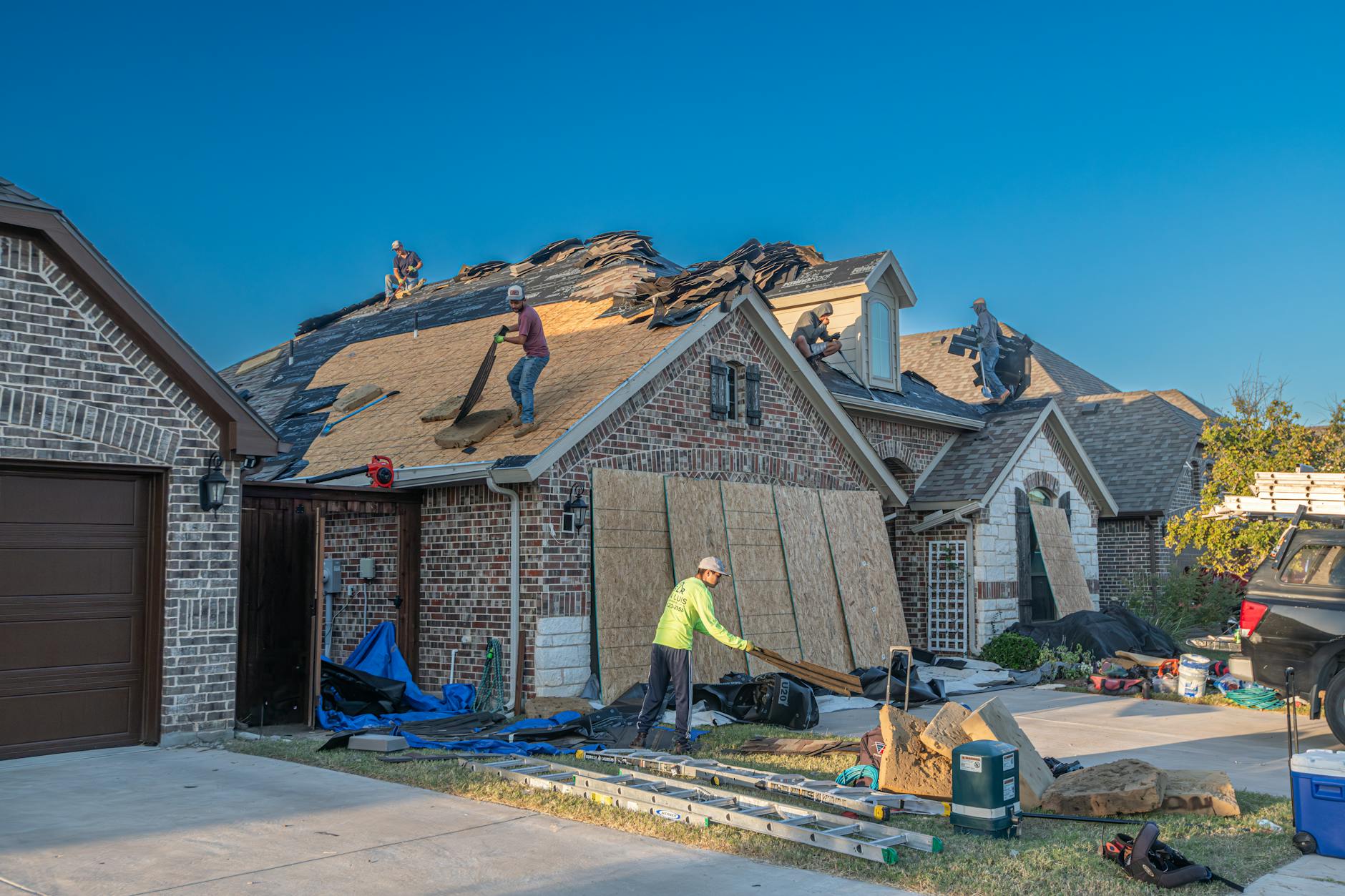
Roof maintenance often gets ignored until a problem shows up. Your roof protects your home from weather, pests, and wear. Knowing common roof issues helps you find problems early before repairs get expensive. Taking care of your roof keeps your home safe and comfortable.
Most roof problems come from age, bad installation, or tough weather. You don't need to climb on the roof or be an expert to spot trouble. Watch for warning signs and schedule inspections when needed. Fixing problems early can add years to your roof's life.
This guide explains common roof problems, how to spot them, and what you can do to protect your home. Knowing these issues helps you make smart decisions and avoid big repair bills.
Shingle Damage and Wear
Shingles cover most roofs and take the hardest hits from sun, wind, snow, and rain. Over time, they crack, curl, or lose granules. This makes them less able to keep water out and protect the roof deck. Asphalt shingles usually last 15 to 30 years, but damage can cut that short.
Shingle damage often comes from poor ventilation, extreme heat or cold, and hail. Hail as small as one inch can dent or crack shingles. Too much sun can make them brittle and curl up. Missing or broken shingles can cause leaks and rot. Watch for curled edges, bald spots, cracks, or blisters.
Fixing damaged shingles early stops water from getting in and causing bigger problems. Replacing one shingle might cost $100 to $150. Ignoring damage can lead to repairs costing thousands. If damage covers a large area or your roof is old, you might need a full replacement. That can run from $5,000 to $12,000 depending on materials and size. If you’re unsure about your roof, have a pro inspect it every few years or after big storms.
Leaks and Water Damage
Leaks are a serious roof problem. Water can get in through small cracks, damaged flashing, or spots around chimneys and vents. Once inside, water can cause mold, wood rot, and damage ceilings and walls. This can lead to bigger structural problems and health risks from mold.
Look for water stains on ceilings or walls, damp attic insulation, or a musty smell upstairs. Leaks may only show during heavy rain or snow melt, so they can be hard to spot. Don’t wait for damage to appear. Check your attic and roof after storms or heavy rain.
Fixing leaks often means replacing or sealing flashing around roof openings. Flashing repairs usually cost $250 to $600 depending on damage. If mold or rot shows up, you may need professional help, which can cost more. Getting your roof checked every 2-3 years helps catch weak spots before leaks start.
Problems Caused by Poor Roof Ventilation
Good ventilation moves air through your attic to stop heat and moisture buildup. Without it, shingles can dry out too fast or stay wet too long, speeding up damage. Heat in the attic also raises cooling costs by making upper floors hotter in summer. This can add 10-15% to your energy bills.
Signs of poor ventilation include cracked or warped shingles and ice dams in winter. Ice dams happen when heat melts snow that refreezes at the roof’s edge. A hot attic in summer is another clue. If your HVAC runs a lot or bills jump unexpectedly, check if poor attic ventilation is the cause. See how often to schedule HVAC maintenance for tips.
Fixing ventilation usually means adding ridge, soffit, or gable vents for better airflow. Costs range from $300 to $700. A roofing pro can check your attic and suggest the best fix. Poor ventilation can also void roofing warranties, so it’s important to keep air flowing.
Damaged or Missing Flashing
Flashing is the metal strip around chimneys, vents, valleys, and other roof joints that directs water away from seams and prevents leaks. When flashing rusts, cracks, or pulls away from the roof, water can enter unseen and cause serious damage to the underlying wood and insulation.
Because flashing is often hidden or hard to reach, damage may go unnoticed until you see leaks inside the house. Common causes of flashing damage include strong winds, ice buildup, or corrosion from age. Regular roof inspections should include checking flashing condition, especially after storms or strong winds, to catch issues early.
Replacing or resealing flashing is a relatively affordable repair compared to fixing water damage, typically costing between $300 and $1,000 depending on the scope. If your roof has multiple valleys or several roof penetrations, keep a close eye on flashing to avoid leaks that can lead to mold or structural problems.
Moss, Algae, and Debris Buildup
Moss and algae thrive in damp, shaded areas and can damage your roof by trapping moisture. This trapped moisture softens shingles and promotes rot, shortening the roof’s lifespan. Algae often appear as black streaks on shingles, while moss grows in green clumps. Additionally, leaves and debris can clog gutters, causing water to back up under shingles or damage the fascia boards, which can be costly to repair.
While moss and algae don’t always cause immediate damage, they reduce your roof’s lifespan and can lead to premature replacement. Cleaning your roof gently with specialized roof cleaners and trimming overhanging trees to reduce shade can significantly reduce moss growth. Avoid power washing, which can blast away protective granules on shingles and cause further damage.
Clear gutters regularly to prevent water buildup and ice dams, especially in fall and spring. If you notice black streaks or green patches on your roof, it’s best to treat the problem early with appropriate cleaning solutions or professional services. For advice on dealing with water damage risks and maintaining your home’s plumbing system, see Prevent Costly Water Damage with Regular Plumbing Inspections.
Structural Damage and Sagging Roof Deck
A sagging roof usually means serious trouble with the roof deck or framing. It can come from long-term water damage that weakens wood, heavy snow putting too much weight on the roof, or poor building like undersized rafters or wrong spacing. Sagging raises the risk of collapse or big leaks and needs quick professional help.
Look for dips or uneven spots on your roofline or attic ceiling. These often mean the wood under shingles is weak. You might also notice doors or windows that stick because framing has shifted. Fixing structural damage usually means replacing beams, joists, or decking. Repairs can cost a few hundred dollars for small jobs or several thousand for big fixes.
Regular roof checks can spot early signs before sagging starts. If you see sagging or suspect trouble, call a contractor right away for an inspection and repair plan to keep your home safe.
Ways to Keep Your Roof Lasting Longer
Besides fixing problems, you can take steps to make your roof last longer. This includes cleaning off debris, getting professional inspections, and fixing small issues before they get worse. Sealing cracks or replacing a few shingles early can stop water damage and bigger repairs.
Using better roofing materials when installing or replacing your roof helps too. Some shingles come with longer warranties and last 25 to 50 years. Using newer underlayment and protective coatings can also make your roof stronger.
Landscaping matters as well. Plant trees away from your house to keep branches from scraping shingles and to reduce leaf buildup. Good gutters help water drain away, protecting your roof and foundation.
Set up a maintenance schedule with roof checks twice a year, in spring and fall. Staying on top of care saves money and helps your roof last longer than average.
How to Stay Ahead of Roofing Problems
Regular roof inspections are crucial. You don’t have to climb up yourself; hire a professional to check your roof every few years and after major storms. Catching issues early can save thousands in repairs and prevent secondary damage to your home’s interior.
Seasonal maintenance like cleaning gutters, trimming trees, and fixing small leaks keeps your roof in good shape. These tasks can prevent common problems like water intrusion and moss buildup. Check out our guide on How to Extend the Life of Your Roof for practical tips that protect your roof and save money.
Don’t ignore signs of trouble like missing shingles, leaks, or sagging. Address problems promptly and avoid shortcuts. Your roof protects your whole home, so investing in its upkeep pays off over time in durability, energy savings, and peace of mind.