Understand Your HVAC System Basics
Your HVAC system keeps your home comfortable in hot and cold weather. It includes heating, ventilation, and air conditioning parts that work together to control temperature and air flow. Knowing these parts helps you spot issues early and keep the system running well.
The main parts are the furnace or heat pump for heating, the air conditioner for cooling, ductwork that moves air around your home, and filters that clean the air. Some parts need more frequent care than others. Check your system’s manual for how to operate and maintain it.
Airflow is important. Blocked or leaky ducts lower efficiency and strain your system. Good airflow helps your home heat and cool evenly and can lower energy bills. If you notice uneven temperatures or strange sounds, check your ducts or call a technician.
For example, if your furnace makes 80,000 BTUs but your ducts leak 20%, you lose 16,000 BTUs before the air reaches your rooms. This can add hundreds to your heating costs. Many homeowners seal and insulate ducts to save money and stay comfortable.
Different HVAC types need different care. A heat pump heats and cools by moving heat instead of making it, so it uses less energy but needs attention to refrigerant levels and coil cleanliness. Knowing your system type helps you maintain and fix it properly.
Change Filters Regularly to Prevent Strain
Changing your air filter often is one of the easiest ways to keep your HVAC system running well. Dirty filters block airflow, making your system work harder and use more energy. This raises your bills and wears out parts faster.
Replace most filters every 1 to 3 months. If you have pets, allergies, or dust, change them more often. Homes with several shedding pets may need new filters every 30 days. Homes with few people can go up to 90 days. Set reminders so you don’t forget. Use the right size and type for your system to keep it working well.
Filters have MERV ratings that show how well they trap particles. A rating of 8 to 13 usually works for homes, balancing particle capture and airflow. Higher ratings catch more particles but can slow airflow if your system isn’t made for them. Check your manual before switching filters.
Clean filters also trap dust and pollen, helping reduce allergens inside your home. Skipping filter changes can cause bigger problems like clogged blower motors or frozen coils. Changing filters is a low-cost way to protect your system and your health.
Keep Outdoor Units Clear and Clean
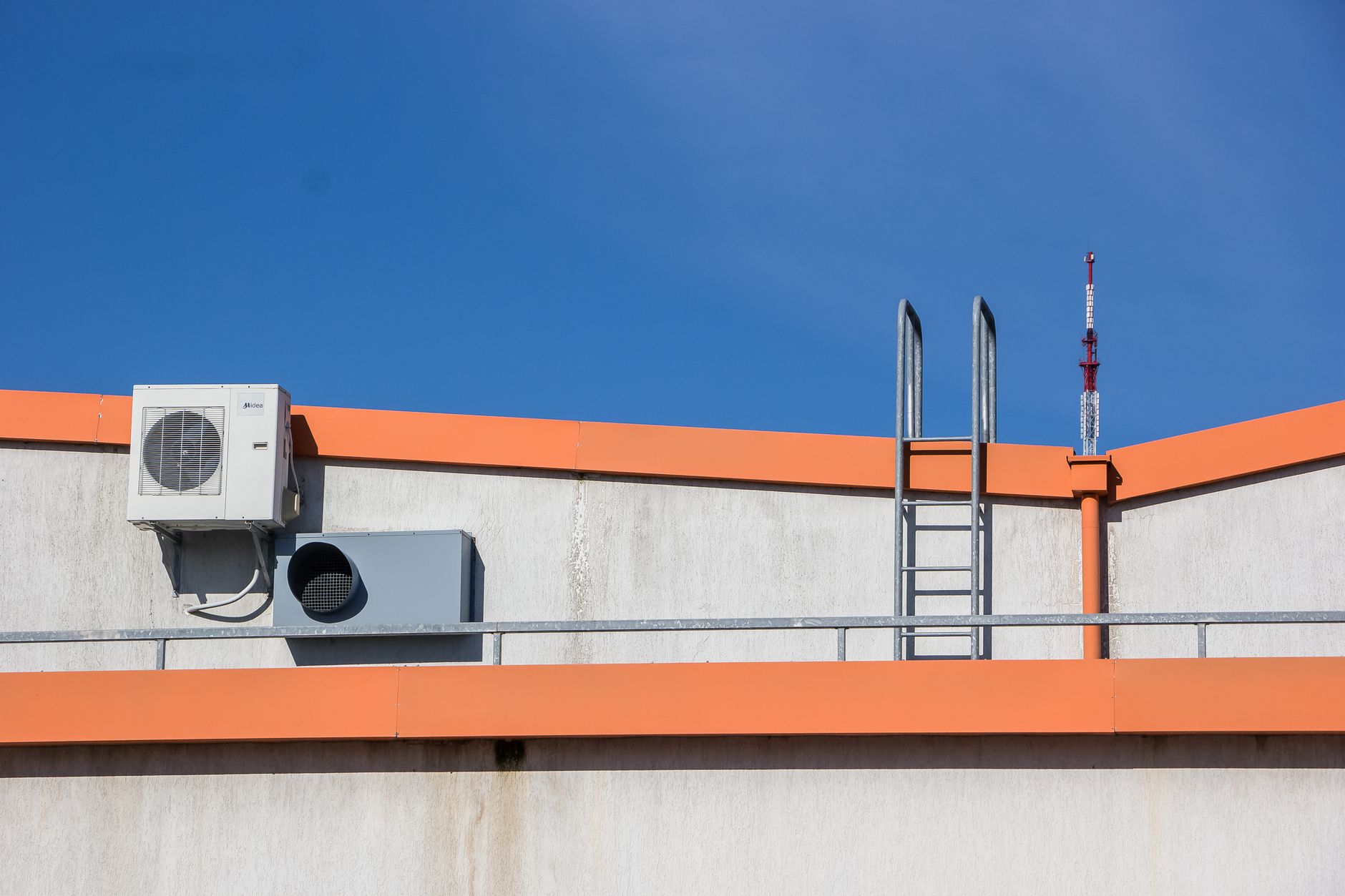
Your outdoor condenser unit needs space and cleanliness to work right. Leaves, grass, and dirt can block airflow, causing your system to overheat and fail early. Check around the unit often and clear away debris.
Clean the coils and fins gently once or twice a year. Turn off power before using a garden hose or coil cleaner made for HVAC. Don’t use high-pressure water because it can bend the fins. Fix bent fins with a fin comb to keep air flowing. This helps prevent the compressor from overheating, which can cost over $1,000 to fix.
Trim plants and shrubs so there’s at least two feet of space around the unit. This keeps it clear and stops pests from nesting inside. Simple care like this protects your system and helps it run well all year.
During heavy pollen seasons or after storms, check the unit more often for debris. If your system sounds louder or cycles on and off a lot, the condenser coil might be dirty and need cleaning.
Seal and Insulate Your Ductwork
Leaky ducts can waste up to 30% of your heating and cooling energy. Air escaping through cracks and holes means your HVAC system has to work harder to maintain the desired temperature, driving up costs and wear. Sealing and insulating ducts is a smart way to improve efficiency and comfort.
Check accessible ductwork in basements, attics, and crawl spaces for gaps, loose connections, or damaged insulation. Use mastic sealant or aluminum foil tape to seal leaks instead of regular duct tape, which deteriorates quickly. Insulating ducts keeps air from losing heat or coolness as it travels through unconditioned spaces.
For example, insulating ducts with a material rated R-6 or higher can reduce heat loss by as much as 30%. This means if your heating system outputs 100,000 BTUs, insulating ducts could save you the equivalent of 30,000 BTUs in lost energy, reducing both bills and system strain.
If your ducts are hidden or you’re unsure about sealing them yourself, hire a professional to test for leaks and fix them properly. This can be part of a yearly HVAC tune-up, which you can learn more about in our guide on How Often Should You Schedule HVAC Maintenance?.
Common mistakes include using regular duct tape, which can fail within months, or sealing only visible ducts while ignoring junctions or flex duct connections. Professionals use specialized tools like duct blasters to measure leakage and ensure a thorough seal. Investing $300-$500 in duct sealing can return energy savings of up to 20%, paying for itself within a couple of years.
Schedule Professional Tune-Ups Twice a Year
Routine professional maintenance is key to catching small issues before they become expensive repairs. Most experts recommend a tune-up in the spring for your air conditioner and in the fall for your heating system. This schedule ensures your HVAC system is ready for heavy use when you need it most.
During a tune-up, technicians clean components, check refrigerant levels, inspect electrical connections, test system controls, and look for worn or damaged parts. They also verify safety features and airflow. These inspections improve efficiency, reliability, and can extend your unit’s lifespan.
Typical tune-ups cost between $100 and $200, depending on the size of your system and location. While this might seem like an expense, it can prevent major repairs that cost thousands. For example, a technician might spot a refrigerant leak early and seal it before it leads to compressor failure, saving you upwards of $1,500.
Skipping regular tune-ups often leads to reduced efficiency, higher energy bills, and unexpected breakdowns. If you want to avoid plumbing or roofing issues that sometimes accompany HVAC problems, consider our posts on 10 Signs Your Plumbing System Needs Professional Attention and Common Roofing Problems Every Homeowner Should Know.
Manage Your Thermostat for Efficiency
How you set your thermostat affects your HVAC system’s energy use. Setting it too high or too low wastes energy and stresses your system. A programmable or smart thermostat helps keep comfort without running the system too much.
Set your thermostat a few degrees higher in summer and lower in winter when you’re not home or asleep. Small changes add up to big savings. For example, raising the thermostat 7°F for 8 hours a day in summer can save about 10% on cooling costs each year. Avoid changing settings often because that makes your system turn on and off more, which wears parts out faster.
Some thermostats let you control your system from a smartphone. This helps you adjust settings when you’re away, so your home is comfortable when you get back without wasting energy all day. Good thermostat use works with regular maintenance to keep your system running well year-round.
Advanced smart thermostats learn your schedule and adjust heating and cooling on their own. They can also show energy use and alert you when maintenance is needed, helping you catch problems early and save energy.
Improve Ventilation and Indoor Air
Ventilation is key to your HVAC system and your home’s comfort. It removes stale air, controls moisture, and brings fresh air into your rooms.
Without good ventilation, moisture builds up, causing mold and damage to walls and insulation. Moist air is also harder to heat or cool, making your system work harder. Use exhaust fans in bathrooms and kitchens, and keep your HVAC ventilation parts clean and clear.
In newer, tightly sealed homes, energy recovery ventilators (ERVs) or heat recovery ventilators (HRVs) can bring in fresh air without losing much energy. They swap indoor and outdoor air while moving heat between them.
Changing filters often and keeping humidity between 30% and 50% helps air flow and system work. If anyone in your home has allergies or breathing problems, consider higher MERV filters or using air purifiers with your HVAC system.
Monitor Energy Usage and System Performance
Keeping track of your HVAC system’s energy consumption and performance can help you identify issues early and optimize efficiency. Many smart thermostats and home energy monitors provide real-time feedback on how much energy your HVAC system uses and when.
By comparing your energy usage during similar periods year over year, you can spot unusual spikes that might indicate equipment problems or inefficiencies. For example, if your cooling costs suddenly increase by 20%, it might be time for a professional inspection or filter change.
Additionally, monitoring how often your system cycles on and off can reveal issues like incorrect thermostat settings, refrigerant leaks, or airflow problems. Frequent short cycling can cause premature wear and increase maintenance costs.
Taking advantage of these tools allows proactive maintenance and smarter energy use, ultimately saving money and extending the life of your HVAC system.